
Dr. Jessica Dimmick, Au.D
November 23, 2025

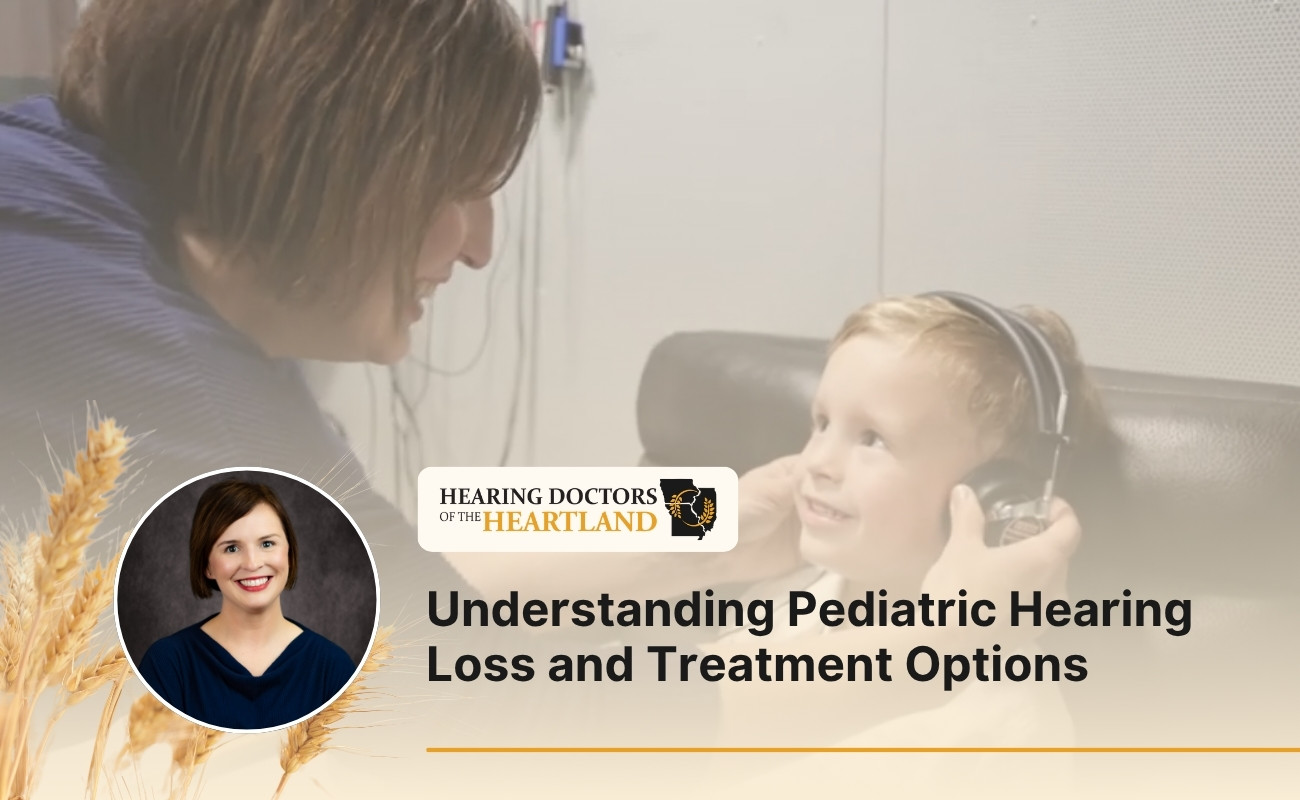
When parents discover their child has hearing loss, the diagnosis can feel overwhelming. The good news is that early detection and intervention can profoundly impact a child's communication development, academic success, and overall quality of life. With the right support and treatment, children with hearing loss can thrive in school and social settings.
Hearing loss affects children more frequently than many parents realize. All newborns receive hearing screenings before leaving the hospital, but hearing issues can develop at any age. Some children are born with hearing loss, while others develop it later due to ear infections, genetic factors, or exposure to loud sounds. The condition can range from mild difficulties hearing soft sounds to profound loss requiring significant intervention.
The impact extends beyond just hearing. Our auditory system plays a fundamental role in how children develop vocabulary, learn to read, and interact with peers. When hearing issues go unaddressed, children may struggle with speech clarity, fall behind academically, or experience social isolation. Even hearing loss in just one ear can make it difficult to locate sounds or understand speech in noisy classrooms.
Parents often ask what they should watch for that might indicate their child has hearing difficulties. The warning signs vary depending on age and developmental stage.
For infants and toddlers, concerning signs include not startling to loud sounds, failing to turn toward voices after six months of age, or not verbalizing by their first birthday. You might notice your baby seems to hear some sounds but not others, or appears unusually responsive to visual stimuli while ignoring auditory cues.
Older children may exhibit different patterns. They might frequently ask for repetition, respond incorrectly to questions, or speak more loudly than necessary. Their speech may be difficult for others to understand, or they may use simpler sentences than their peers. Some children become frustrated when they can't follow conversations, withdraw from group activities, or seem inattentive when spoken to from certain directions.
Academic struggles can also signal hearing problems. Teachers might report that a child seems distracted, has trouble following multi-step directions, or performs better on visual tasks than auditory ones. These behaviors don't always mean hearing loss, but they warrant professional evaluation.
Hearing loss in children falls into several categories based on where the problem occurs in the auditory system. Conductive hearing loss happens when sound can't travel efficiently through the outer or middle ear to reach the inner ear. This type often results from fluid buildup, ear infections, or structural abnormalities. Many conductive losses can be medically treated.
Sensorineural hearing loss occurs when the inner ear or auditory nerve has damage. This type is typically permanent and requires amplification through hearing aids or, in severe cases, cochlear implants. Mixed hearing loss combines both conductive and sensorineural components.
The causes of pediatric hearing loss are diverse. Genetic factors account for a significant portion of cases, with some children born with structural differences in their auditory systems. Complications during pregnancy or birth, premature delivery, certain infections during pregnancy, and exposure to ototoxic medications can all contribute to hearing loss at birth.
After birth, chronic ear infections represent one of the most common causes of temporary or permanent hearing damage. Other factors include meningitis, head trauma, exposure to extremely loud sounds, and certain illnesses. Sometimes, despite thorough medical evaluation, the exact cause remains unknown.
When you bring your child to us for a hearing evaluation, we use specialized testing methods appropriate for their age and developmental level. The assessment begins with gathering detailed information about your pregnancy, birth history, your child's medical background, and the specific concerns you've noticed.
We conduct an otoscopic examination to visually inspect the ear canal and eardrum, checking for fluid, wax buildup, structural issues, or signs of infection. Tympanometry measures how the eardrum moves in response to air pressure changes, helping identify middle ear problems like fluid or dysfunction.
For younger children who can't yet respond to traditional hearing tests, we use techniques that observe their natural behavioral responses to sound. We might watch for eye widening, head turning, or changes in sucking patterns when sounds are presented. Otoacoustic emissions testing measures how the inner ear responds to sound without requiring active participation from your child.
As children develop the ability to respond more directly, we use play-based techniques. They might drop a toy in a bucket or place a piece in a puzzle each time they hear a sound, turning the test into an engaging activity. Older children can respond similarly to adults, raising their hand or pressing a button when they detect tones at various frequencies.
Speech testing evaluates how well your child understands words at different volume levels, providing insight into how hearing loss affects daily communication. The complete evaluation typically takes about an hour, giving us sufficient time for thorough assessment and discussion of results.
Treatment recommendations depend on the type, degree, and cause of hearing loss your child experiences. When medical issues like persistent fluid or structural abnormalities contribute to hearing difficulties, we coordinate referrals to ear, nose, and throat specialists who can address these underlying conditions.
For permanent hearing loss, hearing aids represent the primary treatment option. Modern pediatric hearing devices are sophisticated, durable, and designed to withstand the active lifestyles of children. These aren't simply smaller versions of adult devices—they include features specifically beneficial for developing brains and changing needs.
We follow best practices in pediatric amplification, including real ear verification measurements that ensure hearing aids are programmed precisely for your child's unique hearing loss. This verification process is especially important for children because proper amplification supports speech and language development. Many practices skip this step, but we consider it fundamental to successful outcomes.
Hearing aids require careful fitting and regular monitoring as children grow. Their ear canals change size, necessitating new earmolds every few months for younger children. Programming adjustments become necessary as their hearing needs evolve and their ability to provide feedback improves.
For children with severe to profound hearing loss who receive limited benefit from hearing aids, cochlear implants may be appropriate. These surgically implanted devices bypass damaged portions of the inner ear to directly stimulate the auditory nerve. We can discuss whether this option suits your child's specific situation and coordinate appropriate referrals.
Assistive listening devices supplement hearing aids in challenging situations like classrooms. FM systems or remote microphones allow teachers' voices to be transmitted directly to your child's hearing aids, reducing the negative effects of distance and background noise.
Pediatric hearing loss requires ongoing management rather than one-time treatment. We recommend regular follow-up appointments to monitor your child's hearing status, adjust hearing aid programming as needed, verify proper device function, and assess communication development.
Hearing can change over time due to growth, medical conditions, or progression of the underlying cause. Annual comprehensive evaluations help identify changes early when interventions can be most effective. For children with permanent hearing loss using amplification, we typically schedule appointments every three to six months during early childhood, extending to annual visits as they grow older.
We also provide education about hearing protection, teaching families how to preserve remaining hearing function and prevent additional noise-induced damage. This becomes particularly relevant as children grow older and encounter potentially harmful noise through headphones, school activities, or recreational pursuits.
If you have concerns about your child's hearing, we encourage you to schedule a comprehensive pediatric hearing evaluation with our team. Early assessment and intervention provide the foundation for successful communication development and academic achievement. We have specialized experience evaluating children of all ages, from newborns to teenagers, using age-appropriate testing methods and state-of-the-art equipment.
Contact your nearest Hearing Doctors of the Heartland location in Iowa or Illinois to arrange an appointment. Our audiologists and hearing instrument specialists bring over 75 years of collective experience in diagnosing and treating hearing disorders. We understand the concerns parents face when their child has hearing loss, and we provide compassionate, expert guidance throughout the journey. Your child's hearing health deserves specialized attention—let us help you take that important first step toward better hearing and communication.